

Alexanderplatz, Berlin. If you look above you, the city’s TV tower, with its disco ball-like structure, pierces the sky. Turn round and at the top of the Park Inn Hotel, people pay for the thrill of swinging off the edge of the building. Meanwhile on the ground, trams, traffic, and people move in different directions, getting from this side of the city to the next.
If you’re a fan of music and its history, you’ll want to get moving too, jumping the U8 from Alexanderplatz to Kottbusser Tor. It’s a short train ride that will take you to the Synthesizer Museum Berlin, situated between Adalbertstraße and Skalitzer Straße in Kreuzberg.
It’s no surprise that a museum like this exists in Germany’s capital. The country was one of the epicentres that helped bring electronic music to the masses. Synthesisers and sequencers became part of different bands’ rigs, artists such as Can, Tangerine Dream, and Kraftwerk. The emergence of techno music in West Berlin during the late 80s, and its role in bringing people together in a reunified Germany, also demonstrated the power this music had.
Film composer, music producer and founder of the museum, Michael Soltau, is famous for his work on television series Notruf Hafenkante. He has also worked with artists Sarah Brightman, José Carreras, The Ten Tenors and Gregorian. He also contributed to the ‘classical crossover’ that emerged in the late 90s, which mixed the sounds of classical and popular music together.
Michael took the time to answer some questions I had for him. I wanted to learn about the range of equipment the museum had on display, what visitors could expect, and the importance of these instruments in the age of AI.
Liam Donohoe: What was the inspiration behind opening a synthesiser museum in Berlin?
Michael Soltau: Back in 2022 I opened the Synthesizer Studio Berlin. It’s a professional recording studio with an expansive range of high-end synthesizers, from vintage to new. Our customers are mainly professional producers and artists. Stephan Bobinger is running the place and he is also developing signature software instruments as well as hosting masterclasses.
A few years later I realized we were missing out on a big group of people who are not professionals, but electronic and pop music lovers nonetheless. That was the incentive to open a second location, the Synthesizer Museum Berlin.
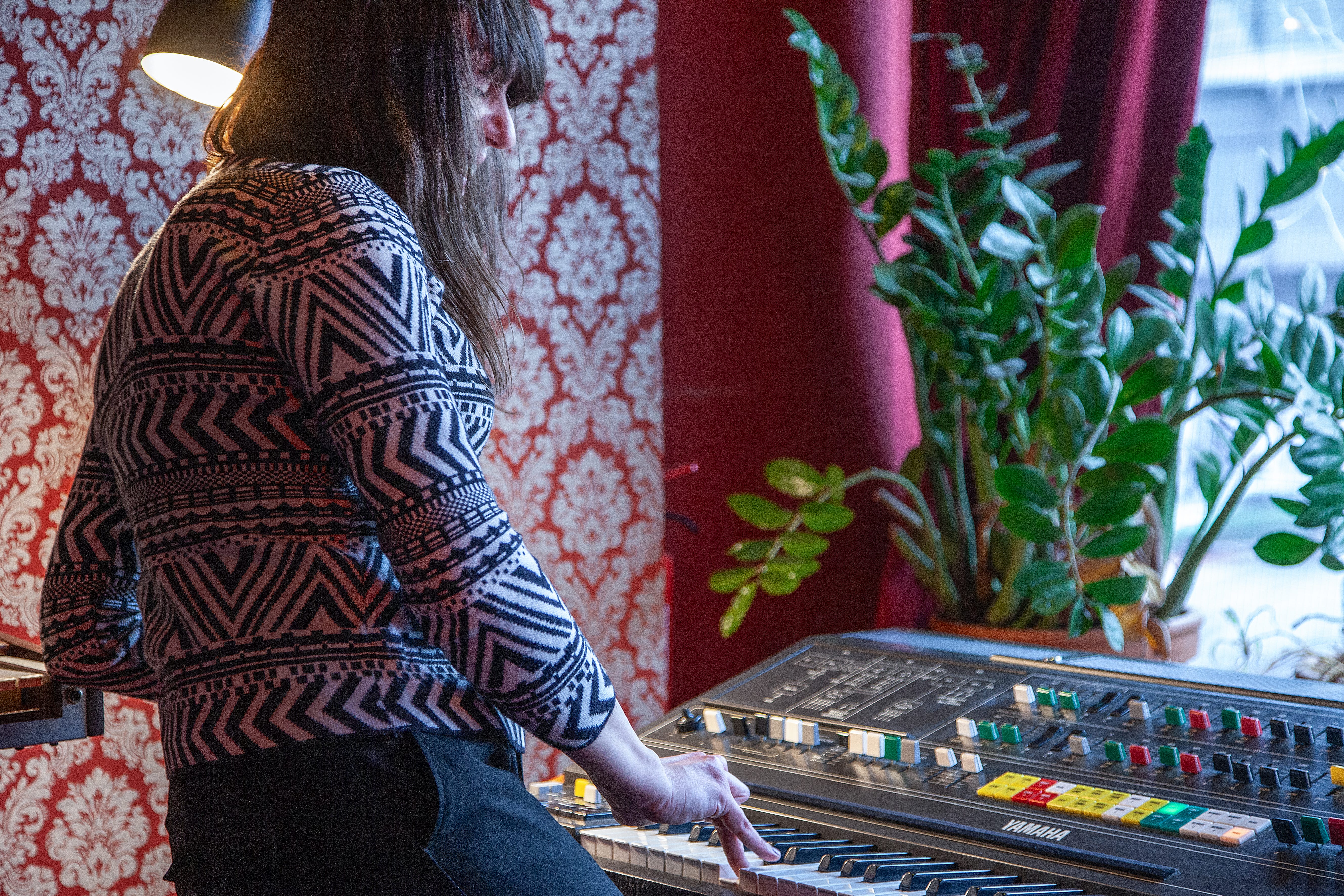
Liam: The range of synthesizers you have on display is impressive, where did the collection come from?
Michael: Playing and producing with synthesizers has been my passion and my occupation since the mid-80s. As a result, the collection has been growing ever since.
Having worked as a film composer for many years, I realized that all the fine instruments would never be in use on a daily basis. So, rather than storing them under the staircase, I thought they would serve a better purpose at a synthesizer museum of sorts.
Liam: Are visitors allowed to play them?
Michael: Yes, visitors are allowed and encouraged to play our synthesizers. And you can also buy a USB stick and record yourself.
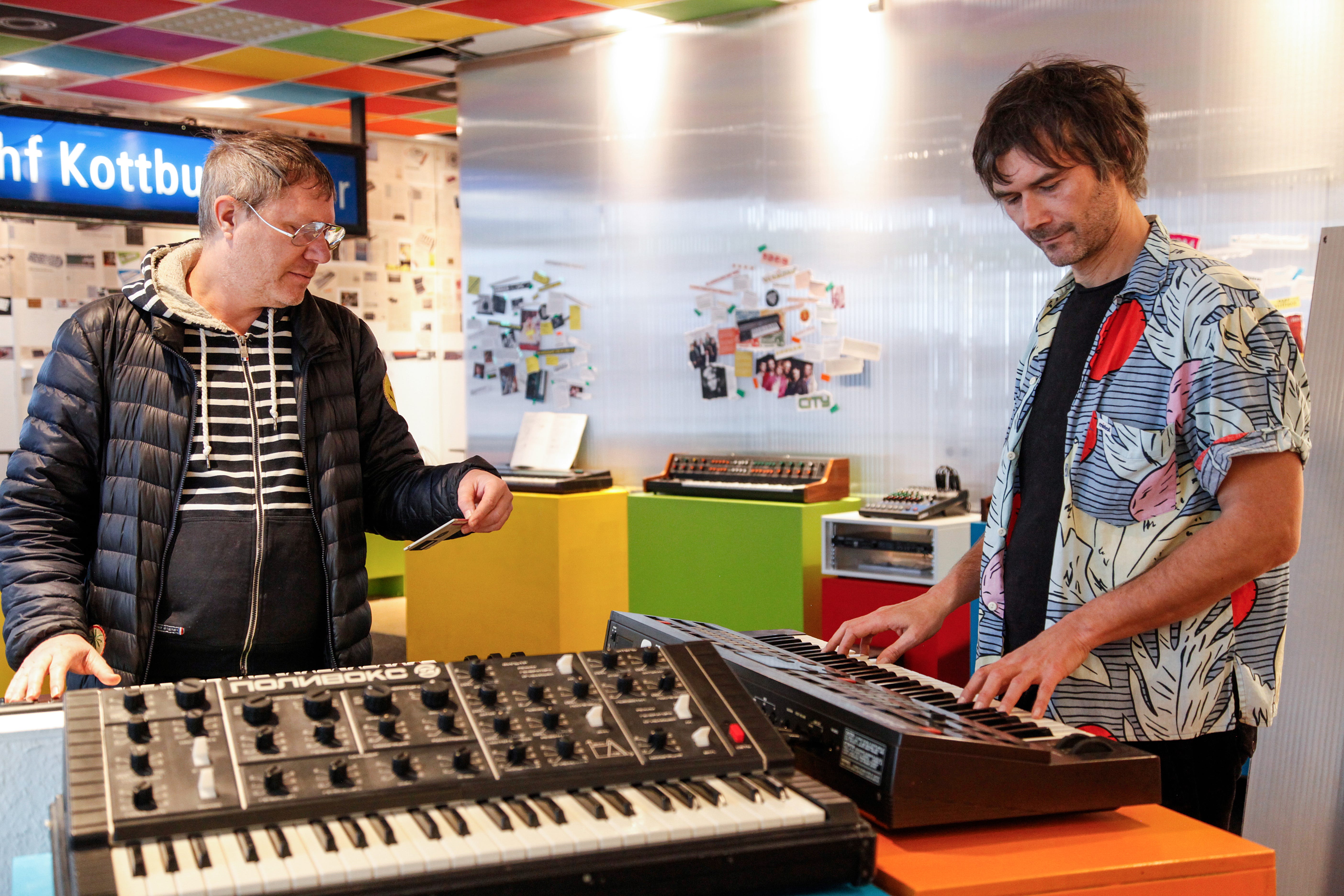
Liam: Which synthesizers prove to be popular with visitors?
Michael: Roland Juno-60, because it’s one of the easiest to understand. A beginner’s synth with a superb sound! We connected it to the most famous drum machine ever, the Roland TR-808. You can almost make a little track with those two. Furthermore it’s the Minimoog, of course, and the ARP 2600 (half modular, patchable synth) for the more experienced visitors.
Liam: In the age of AI generated music, what do you want visitors to take away from their experiences at the museum?
Michael: When AI emerged, and software synthesizers before that, it made the original hardware even more eminent. Software can never beat the experience of the real musical instrument, one that you can play instantly, that has a feel and a character to it.
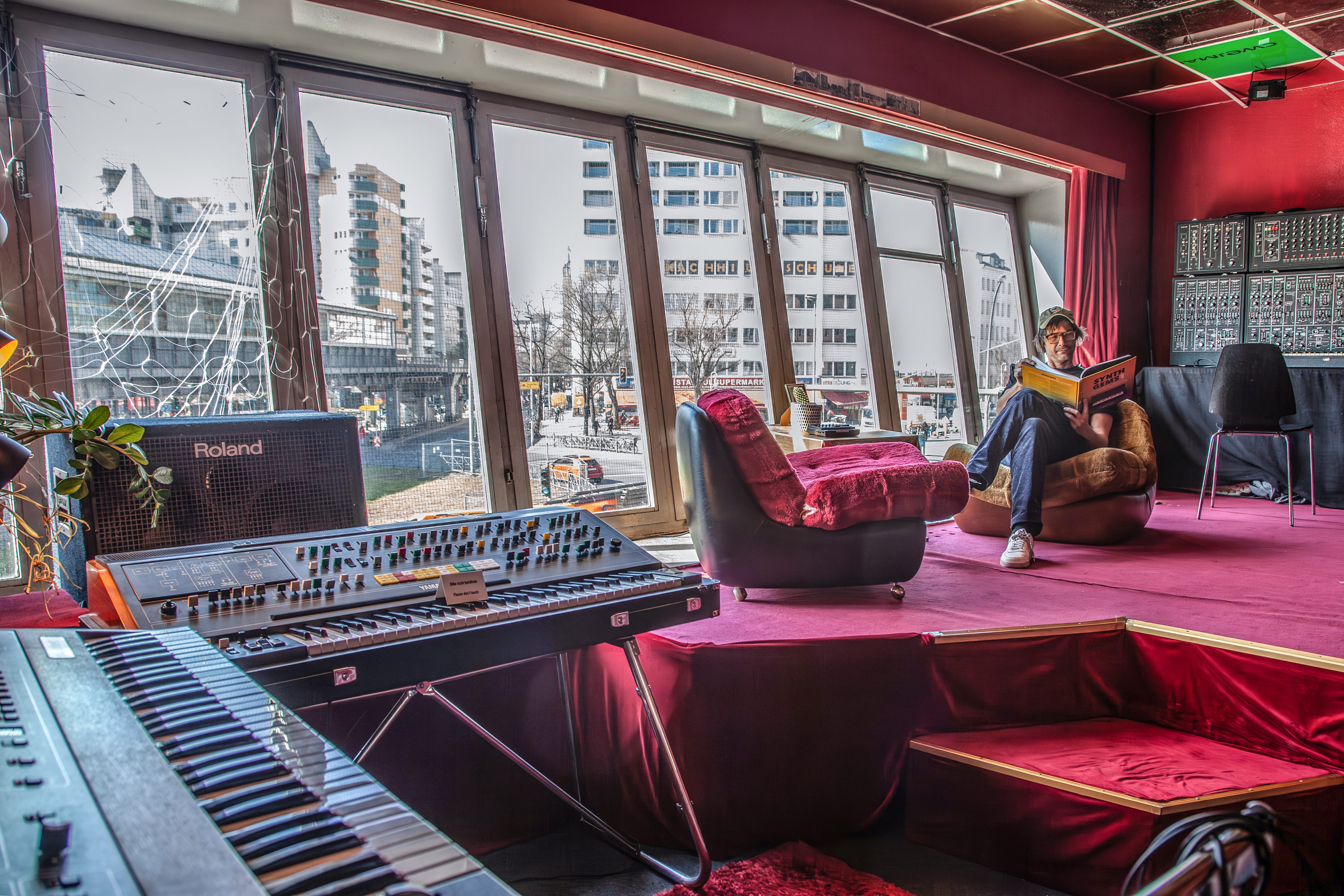
If you want to learn more about the Synthesizer Museum Berlin you can visit their official site. There you can get more information including their opening hours, current events and subscribe to their newsletter. You can also follow them on Instagram @synthmuseumberlin
Liam Donohoe is a reporter from the UK, and holds a BA (Hons) in English Literature and Creative Writing. He writes about cultural figures and fascinating places around the world.